Arian Baft Partow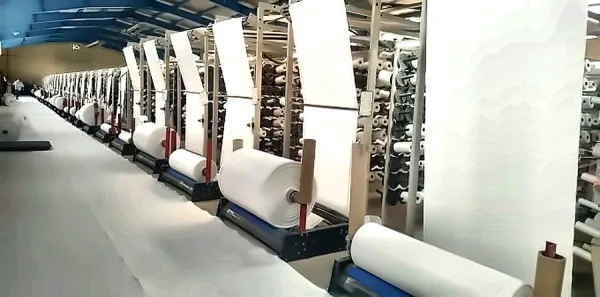
Lamination
Lamination of polypropylene fabric for greater resistance to moisture and damp.
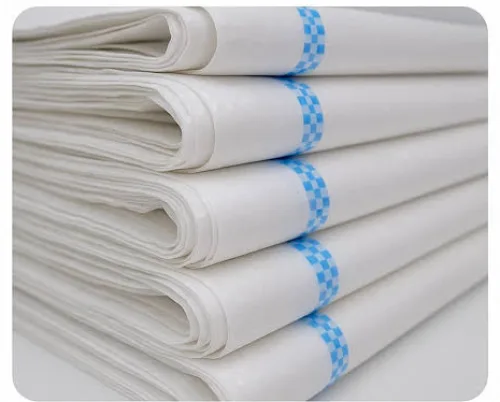
Lamination means drawing a layer of molten polypropylene over the surface of the woven fabric so the gaps between warp and weft are fully sealed. The result is a sack that, beyond the mechanical strength of the weave, gains a barrier property: moisture can't get in, and fine product particles can't spill out through the weave. For powdered, fine-grained or moisture-sensitive materials, lamination isn't an option — it's a necessity.
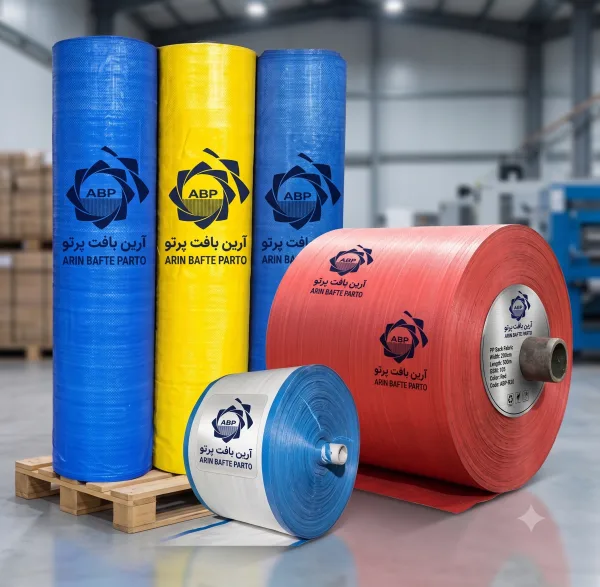
Available to order: lamination thickness matched to the product and storage duration, any dimensions and capacity, UV-resistant additive for outdoor storage, and multi-color printing.
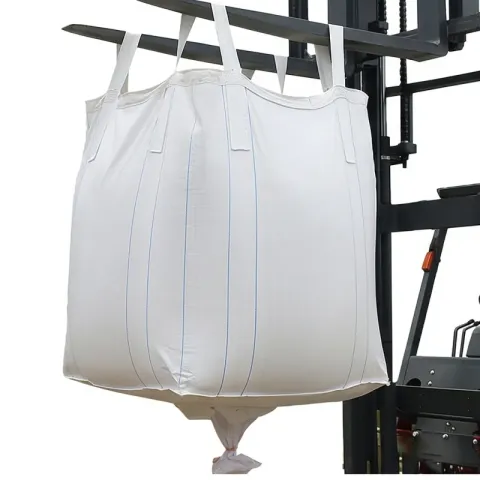
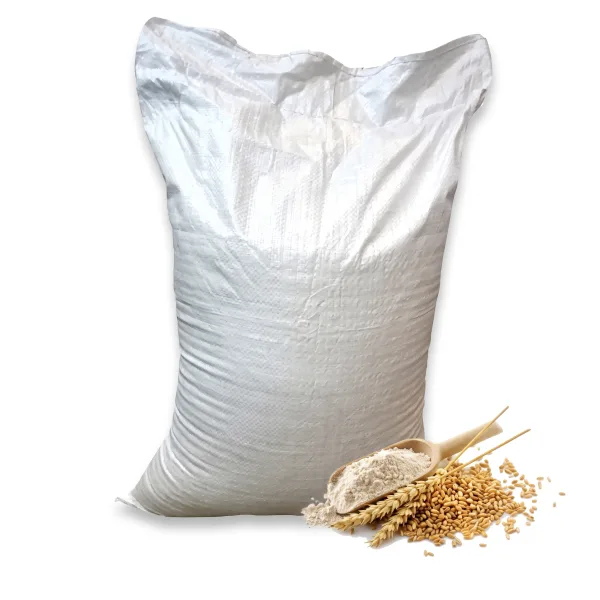
Applications: cement, gypsum and stone powder, chemical and petrochemical materials, fertilizer and seed, flour and sugar, animal feed, and industrial minerals and powders.
Lamination shouldn't be confused with an inner liner — lamination is a molten layer fused directly onto the woven fabric, becoming part of the sack itself, while a liner is a completely separate nylon bag placed inside the woven sack. The choice between the two depends on the level of protection needed and the product being packed; sometimes both are used together.
Available to order in a range of sizes.