 Arian Baft Partow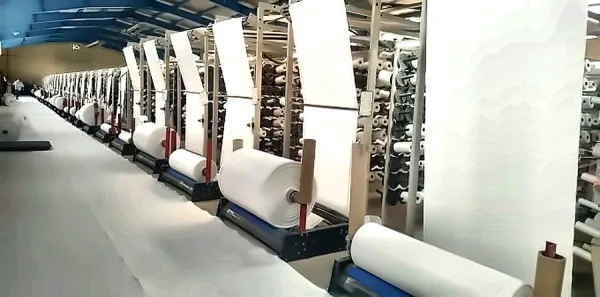
Why Lamination Matters for Woven PP Packaging
Lamination is a thin polypropylene layer applied over woven fabric — and that simple layer plays a real role in moisture resistance, load cleanliness, and print quality.
Woven polypropylene fabric, no matter how tightly it's woven, still has tiny pores between the warp and weft threads — because it's built from the intersection of individual strands, not a single continuous surface. Lamination means applying a thin layer of molten polypropylene (typically BOPP or direct lamination) over this surface, closing those pores almost completely.
The direct result is better moisture resistance. For materials like cement, gypsum, chemical fertilizer, or flour, whose quality degrades or clumps on contact with ambient humidity, the lamination layer blocks moisture from penetrating into the bag. The same layer works in the opposite direction too: it prevents very fine product particles from escaping through the fabric's pores — important both for keeping the loading area clean and for preventing product weight loss during transit.
A less-discussed benefit of lamination is improved printability. A laminated surface is smoother and more uniform than raw woven fabric, and that uniformity lets flexographic printing sit on it with more clarity and durability — printed logos and information are less prone to smudging or fading over time.
Lamination isn't necessary for every product. For materials without moisture sensitivity, or with particle sizes too coarse to pass through ordinary fabric pores anyway (many aggregates or coarse agricultural products, for example), lamination is an added cost that doesn't necessarily deliver proportional value. The right decision, like many others in industrial packaging, depends on the specific material inside the bag and its storage and transport conditions.
For consultation and price quotes, get in touch with us.